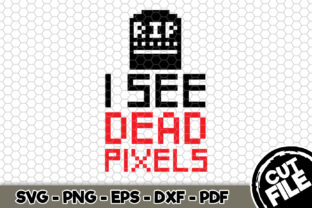
I See Dead Pixels
As an embroidery designer and product reviewer, I always start by evaluating a design’s visual appeal, practicality, and potential for real-world use. The I See Dead Pixels machine embroidery design caught my attention for its clever, tech-themed message and its versatility across various craft projects. But before I recommend it to clients or consider using it in my own work, I need to assess how it performs in actual embroidery situations.
The First Impression: A Design with Personality
From the moment I saw I See Dead Pixels, I recognized its unique vibe. It’s a design that speaks to programmers, tech enthusiasts, and anyone who appreciates a bit of humor in their handmade products. The layout is clean, the typography is bold, and the overall composition feels intentional. It has a modern, slightly edgy aesthetic that could fit into both casual and professional settings.
This design isn’t overly complex, but it does have enough detail to make it visually interesting without being overwhelming. The shape and theme suggest it would work best on items like custom apparel, embroidered patches, or personalized gifts. It’s not a design you’d want on a delicate baby onesie, but it could be perfect for a geeky tote bag or a tech-themed sweatshirt.
Real-World Embroidery Use Cases
When considering I See Dead Pixels for real embroidery projects, I think about how it would translate onto different fabrics and garments. For example, if I were creating a custom embroidered tote bag for a client, this design could add a fun, recognizable touch. It would look great on a cotton canvas tote, especially if paired with a contrasting thread color for maximum visibility.
On a sweatshirt, the design might require a bit more attention to stitch density and stabilizer use, especially if the fabric is stretchy or thin. For baby clothes, I’d be cautious about using it on delicate materials or in areas that might rub against a child’s skin. But as an embroidered patch, it could be a standout addition to a jacket, backpack, or even a DIY pillow cover.
This design also has potential for holiday or wedding gifts. A personalized mug or tea towel featuring I See Dead Pixels could be a unique, thoughtful present for someone in the tech industry. It’s the kind of design that can double as a digital product preview or a printable mockup for an Etsy seller looking to showcase their work.
Where to Be Cautious
While I See Dead Pixels is a solid design, there are some situations where it might not perform as well. If you’re working with small hoop sizes, you might find the design too large or detailed to fit comfortably. On textured fabrics or dark backgrounds, the contrast may not be as strong, so testing with different thread colors is essential.
For stretchy or thin fabrics, I’d recommend using a proper stabilizer to prevent puckering or distortion. If the design includes intricate details or tiny lettering, you’ll want to make sure your embroidery machine can handle the precision required. And for commercial projects, always check the licensing terms before selling finished items or digital products.
Impact on Visual Appeal and Customer Perception
One of the key factors in any embroidery project is how the final piece looks. I See Dead Pixels has a strong visual presence that can elevate a handmade product or personalized gift. When stitched correctly, it adds a professional touch that customers will appreciate, especially if they’re looking for something unique or tech-inspired.
Stitching clarity is important here. If the design uses a lot of satin or fill stitches, it might appear too dense on certain fabrics. But with proper planning and test runs, it should hold up well. As an Etsy seller or small shop owner, this design could help build brand consistency and attract a niche audience that values creativity and personality in their purchases.
Practical Designer Notes
Before jumping into a full project, I always recommend testing I See Dead Pixels on scrap fabric. This helps you see how the design looks in real life and whether it works with your chosen thread colors and fabric types. Pay close attention to the stitch density—too much or too little can affect the final outcome.
If you’re using it for a custom apparel project, make sure the hoop size is appropriate for the design. For layered garments or curved surfaces like caps, you may need to adjust the placement or use a different stitching technique. Also, don’t forget to check how it looks in black and white mockups, as this can reveal issues you might not notice in color.
Finally, if you’re selling this design as a digital product, confirm that the licensing allows for commercial use. And remember, even the best designs require proper preparation and execution to turn into a successful finished product.
Final Thoughts
I See Dead Pixels is a design that offers both style and functionality. It’s not perfect for every project, but when used correctly, it can add a unique touch to custom apparel, personalized gifts, and craft business items. Whether you’re an embroidery designer, a small shop owner, or a creative entrepreneur, this design is worth considering for the right application.
As with any embroidery file, the success of I See Dead Pixels depends on how well it’s executed. With the right techniques and attention to detail, it can become a valuable asset in your design library and a hit with your customers.